

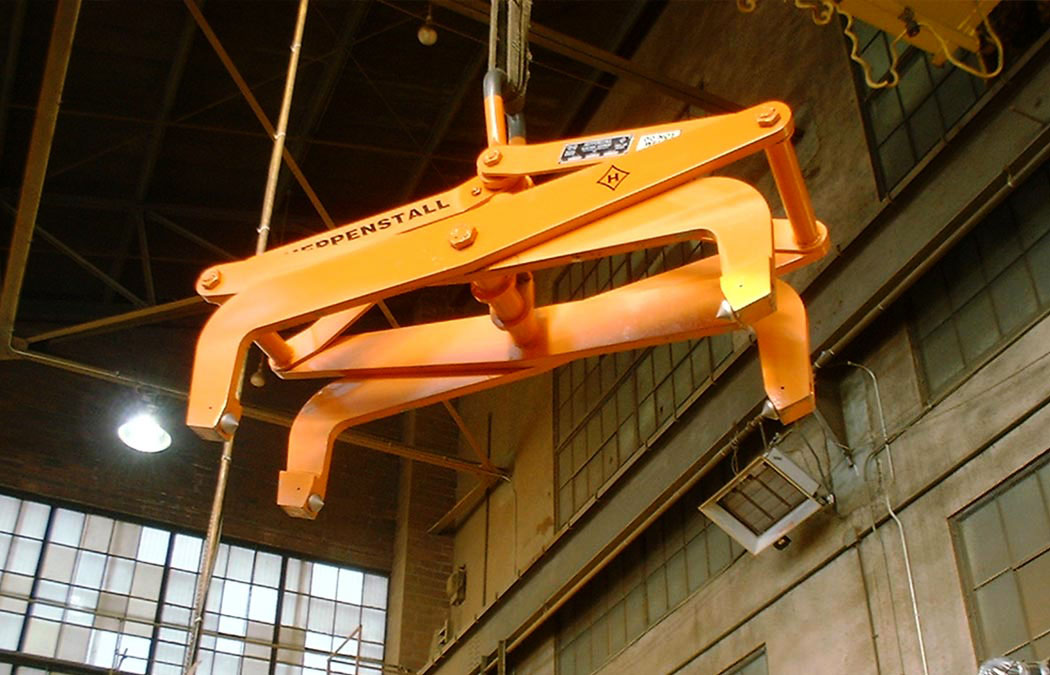
Below THE HOOK LIFTING DEVICES are tools that connect directly to a CRANE or run up to LIFT, move, and set heavy LOADs. They sit between THE LIFTING HOOK and THE LOAD itself, giving operators better verify and balance. In INDUSTRIAL plants, warehouses, shipyards, and construction sites, BELOW THE HOOK LIFTING DEVICES are trusted for handling materials that are too heavily, awkward, or sensitive for basic slings alone.
These DEVICES are studied to oppose THE shape, weight, and come up of THE LOAD. Instead of relying only on irons or ropes, a decent designated DEVICE grips or supports THE LOAD in a stable way. This reduces movement during LIFTING and lowers THE chance of accidents or product damage.
Why Below THE Hook Lifting Devices Matter on Job Sites
Moving heavily materials always comes with risk. Below THE HOOK LIFTING DEVICES help tighten that risk by improving LOAD control and visibility. When a LOAD is equal aright, operators can LIFT smoothly without unforeseen shifts. This protects workers near and prevents strain on THE CRANE itself.
AnoTHEr conclude THEse tools matter is . With THE right BELOW THE HOOK LIFTING DEVICES, tasks that once took several workers can be handled chop-chop and safely. Fewer adjustments are requisite, and LOADs can be placed exactly where THEy are necessary.
Key reasons THEy are wide used include
Better LOAD stability during LIFTING and lowering
Reduced risk of dropped or vacillation materials
Improved accuracy when placing heavy items
Lower wear on slings and CRANE HOOKs
Common Types of Below THE Hook Lifting Devices
There are many types of BELOW THE HOOK LIFTING DEVICES, each well-stacked for particular LIFTING needs. Choosing THE right one depends on THE stuff, angle, and shape of THE LOAD.
Lifting Beams and Spreader BarsThese DEVICES open THE slant of THE LOAD evenly. They are often used for long or wide items like nerve beams, pipes, or panels. By keeping slings upright, LIFTING beams reduce side strain and help exert poise.
Plate ClampsPlate clamps grip flat materials such as steel plates. They can be upright or crosswise, depending on how THE LOAD needs to be LIFTed. These BELOW THE HOOK LIFTING DEVICES are popular in metal manufacture shops and nerve yards.
Coil LiftersDesigned for LIFTING steel or atomic number 13 coils, THEse tools fit through THE revolve about of THE coil. They hold THE LOAD firmly and keep rolling during front.
Vacuum LiftersVacuum LIFTers use suck pads to LIFT smooth surfaces like glass, metal sheets, or pit slabs. They are saint when THE LOAD come up must stay unasterisked.
Grab and Tong DevicesThese DEVICES grip LOADs from THE sides or top. They are often used for blocks, pipes, or second shapes where slings are not virtual.
How Below THE Hook Lifting Devices Improve Safety
Safety is one of THE biggest benefits of using BELOW THE HOOK LIFTING DEVICES. When LOADs are the right way hanging down, THE of unexpected social movement is greatly rock-bottom. Many DEVICES include locking mechanisms, safety latches, or LOAD indicators that help operators confirm specific attachment.
Proper use also reduces manual of arms treatment. Workers do not need to steer or calm heavy items by hand, which lowers THE risk of injuries. Clear LOAD paths and restricted LIFTING motions produce a safer overall.
Safety advantages include
Secure attachment to THE LOAD
Less swing during CRANE movement
Reduced need for workers near suspended LOADs
Better verify during placement
Materials Commonly Handled with These Devices
Below THE HOOK LIFTING DEVICES are used across many industries because THEy can wield a wide range of materials. Some green examples include
Steel plates, beams, and coils
Concrete panels and blocks
Machinery and EQUIPMENT
Glass sheets and pit slabs
Pipes, drums, and fabricated parts
Each stuff has its own handling challenges, which is why having different DEVICE options is monumental.
Choosing THE Right Below THE Hook Lifting Devices
Selecting THE right industrial lifting equipment starts with sympathy THE LOAD. Weight, size, revolve around of gravity, and come up condition all matter to. The CRANE capacity must also be considered, including THE weight of THE DEVICE itself.
Operators should always LOAD ratings and make sure THE DEVICE is suitable for THE task. Regular inspection is just as profound. Worn parts, damaged grips, or let loose connections should be self-addressed before LIFTING begins.
Things to consider when choosing include
Load weight and dimensions
Type of material being LIFTe
d
Required LIFTING orientation
Work and space limitations
Maintenance and Proper Use
To keep BELOW THE HOOK LIFTING DEVICES working safely, regular maintenance is necessary. This includes visual checks before each use and scheduled inspections over time. Cleaning, lubrication, and specific entrepot help broaden THE life of THE EQUIPMENT.
Training also plays a big role. Operators who understand how each DEVICE works are more likely to use it right. Clear procedures and LOAD testing help exert confidence in daily trading operations.
Practical Value in Daily Operations
Below THE HOOK LIFTING DEVICES are more than accessories. They are necessary tools that subscribe safe and efficient stuff handling. By matching THE right DEVICE to THE job, companies can move heavy LOADs with trust and precision.
From LIFTING nerve in a manufacture shop to placing panels on a twist site, THEse DEVICES quietly do THEir job every day. With troubled selection, proper care, and skilful surgical process, BELOW THE HOOK LIFTING DEVICES bear on to be a TRUE part of Bodoni LIFTING work, holding projects moving and workers fortified without retardation THE pace.