

Coloring has become one of the simplest yet most powerful relaxation tools in modern wellness. In this guide, we will explore why calming coloring pages help stress and how they support mental balance, focus, and emotional health.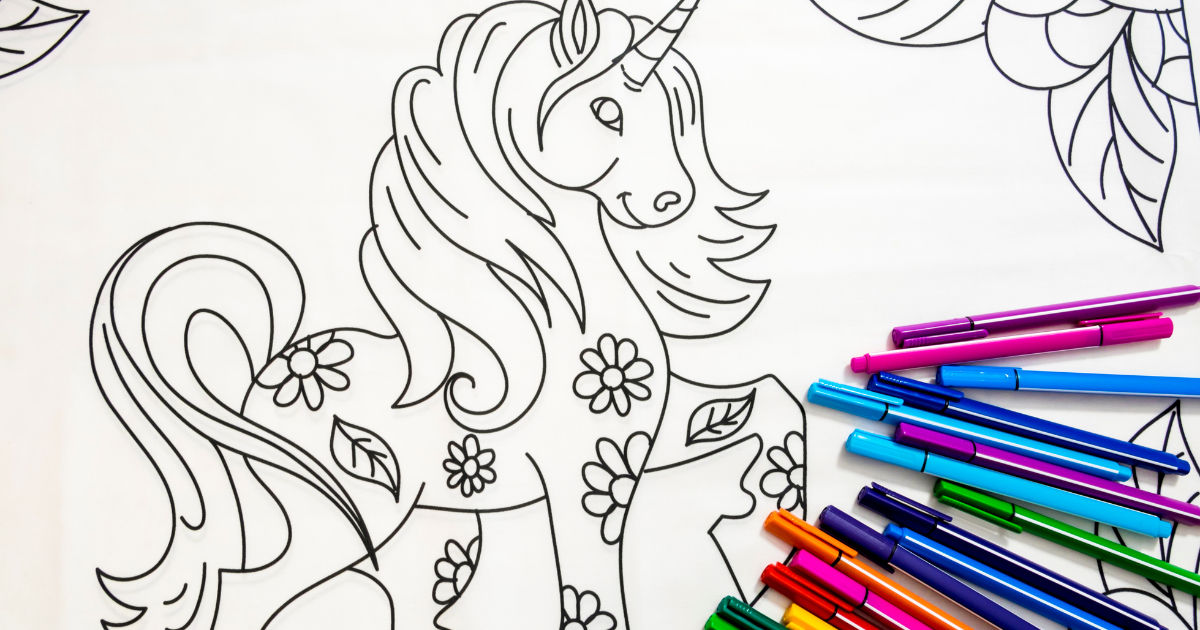
The idea of coloring for stress relief is more than just a trend; it is backed by psychology, neuroscience, and everyday human experience. Throughout this article, we will repeatedly explore coloring for stress relief and how it works in real life, especially for students and busy individuals.
From school pressure to digital overload, stress affects nearly everyone. That is why coloring for stress relief is becoming popular again in classrooms, homes, and therapy spaces. It offers a calm, structured activity that helps the brain slow down and reset.
Calming Coloring Pages
Calming coloring pages are specially designed patterns that focus on repetition, symmetry, and smooth shapes. These designs are not random; they are created to guide attention gently and reduce mental chaos. When people use coloring for stress relief, they often choose patterns like mandalas, nature scenes, or abstract shapes.
The simplicity of coloring for stress relief makes it accessible to everyone, regardless of age or artistic skill. You do not need to be an artist. You only need colors and a page.
Many people use coloring for stress relief after school, work, or emotional exhaustion because it helps them shift attention away from pressure and toward creativity.
Why Stress Happens in Daily Life
Before understanding why coloring works, it is important to understand stress itself. Stress is the body’s response to pressure, uncertainty, or overload. When students prepare for exams or adults face deadlines, the brain releases stress hormones like cortisol.
Too much stress can lead to anxiety, tiredness, and difficulty focusing. This is where coloring for stress relief becomes useful. It provides a simple mental break that interrupts the stress cycle.
Using coloring for stress relief allows the brain to shift from “fight or flight” mode into a calmer state. Even a few minutes can make a difference.
The Science Behind Coloring and Relaxation
Scientific studies show that repetitive, creative tasks like coloring can reduce anxiety levels. When someone engages in coloring for stress relief, the brain activates areas related to focus and calm decision-making.
Coloring for stress relief also helps reduce activity in the amygdala, the part of the brain responsible for fear and emotional reactions. This creates a soothing effect.
Another reason coloring for stress relief works is because it encourages “present moment awareness.” This means your mind stops worrying about the past or future and focuses only on the current activity.
How Coloring Affects the Brain
When you use coloring for stress relief, several important changes happen in the brain:
First, dopamine levels increase. Dopamine is a chemical linked to pleasure and motivation. This is why coloring for stress relief can feel rewarding even when the task is simple.
Second, the prefrontal cortex becomes more active. This part of the brain is responsible for planning and focus. That is why coloring for stress relief helps improve concentration.
Third, the brain enters a relaxed rhythm similar to meditation. Many people compare coloring for stress relief to mindfulness exercises because both reduce mental noise.
Coloring as a Form of Mindfulness
Mindfulness means paying attention to the present moment without judgment. Coloring for stress relief naturally creates this state.
When you focus on choosing colors, staying inside lines, and completing patterns, your attention becomes fully engaged. This is why coloring for stress relief is often recommended in therapy sessions.
Instead of worrying or overthinking, your mind becomes calm and steady. Coloring for stress relief trains the brain to slow down, even outside coloring time.
Emotional Benefits of Coloring
Emotions can feel overwhelming, especially during stressful times. Coloring for stress relief helps manage emotions in a gentle way.
It provides a safe space for expression without words. People who struggle to express feelings often find coloring for stress relief helpful because it allows emotional release through color choices.
Bright colors may reflect happiness or energy, while soft colors may reflect calmness. In this way, coloring for stress relief becomes a form of emotional communication.
Why Students Benefit the Most
Students often face academic pressure, exams, and social stress. This is why coloring for stress relief is especially helpful in school environments.
Taking short coloring breaks improves memory retention and focus. When students return to studying after coloring for stress relief, they often feel more refreshed.
It also helps reduce exam anxiety. Many students use coloring for stress relief before tests to calm nerves and improve confidence.
Types of Calming Coloring Pages
Different types of coloring pages create different effects. Each type supports coloring for stress relief in unique ways.
Mandala patterns are one of the most popular because their circular design promotes balance and focus. Nature-themed pages also support coloring for stress relief by creating a sense of connection with the natural world.
Abstract patterns are useful for people who want freedom without structure. These are also effective for coloring for stress relief because they remove pressure and expectations.
How Coloring Reduces Anxiety
Anxiety often comes from overthinking. Coloring for stress relief helps break this cycle by giving the mind a single task.
When your hands are busy coloring, your thoughts slow down. This is why coloring for stress relief is often recommended during panic or emotional overload.
It also creates a sense of control. Choosing colors and filling spaces gives structure, which reduces feelings of uncertainty. This is a key reason coloring for stress relief is effective.
The Role of Flow State
Flow state is a mental condition where a person becomes fully absorbed in an activity. Coloring for stress relief can easily trigger this state.
In flow, time seems to pass quickly, and worries fade into the background. Coloring for stress relief creates flow because it is repetitive, simple, and engaging.
This state is linked to happiness and reduced stress. Many people report feeling deeply relaxed after coloring for stress relief sessions.
Art Therapy Connection
Coloring is closely related to art therapy, a psychological practice used to treat stress and trauma. Professionals often include coloring for stress relief in therapy programs.
Art therapy works by allowing people to express emotions without words. Coloring for stress relief follows the same principle in a simpler form.
Even outside therapy, coloring for stress relief provides similar emotional support and relaxation benefits.
Digital vs Paper Coloring
Today, coloring for stress relief can be done digitally or on paper. Both have benefits.
Paper coloring is more tactile and helps improve hand-eye coordination. Many people prefer traditional coloring for stress relief because it feels more physical and grounding.
Digital coloring is convenient and accessible on mobile devices. It also supports coloring for stress relief by offering endless designs and easy corrections.
Both methods can support coloring for stress relief effectively, depending on personal preference.
Practical Ways to Use Coloring for Stress Relief
To get the most benefit, consistency is important. Even 10–15 minutes of coloring for stress relief can help reduce stress levels.
It is best to choose a quiet environment where distractions are limited. This improves the effect of coloring for stress relief.
Using soft music or silence can also enhance relaxation. Many people combine breathing exercises with coloring for stress relief for better results.
Common Mistakes to Avoid
Some people expect perfection when using coloring for stress relief. This can reduce its effectiveness.
The goal is not artistic perfection but relaxation. Overthinking color choices can reduce the benefits of coloring for stress relief.
Another mistake is rushing. Coloring for stress relief works best when done slowly and calmly.
Why Coloring Works for Adults Too
Although coloring is often associated with children, adults benefit greatly from coloring for stress relief.
Adult life is full of responsibilities, deadlines, and mental pressure. Coloring for stress relief offers a break from these demands.
It allows adults to reconnect with creativity and simplicity. Many workplaces now even include coloring for stress relief activities for employee wellness.
Building a Daily Coloring Habit
Creating a routine strengthens the benefits of coloring for stress relief. A daily habit trains the mind to relax more easily.
Morning coloring for stress relief can set a calm tone for the day. Evening coloring helps release tension before sleep.
Over time, coloring for stress relief becomes a natural coping tool for stress management.
Social Benefits of Coloring
Coloring is not always a solo activity. Group coloring sessions can improve social bonding.
Friends and family who practice coloring for stress relief together often experience stronger emotional connections.
It also creates a non-competitive environment where people can relax together. This makes coloring for stress relief useful in schools and community centers.
Long-Term Mental Health Impact
Regular use of coloring for stress relief can support long-term emotional stability. It helps build resilience against stress.
People who consistently use coloring for stress relief often report better mood regulation and reduced anxiety over time.
It also strengthens focus and patience, which are useful life skills.
Conclusion
Calming coloring pages are more than just a creative hobby. They are a powerful mental wellness tool that supports emotional balance, focus, and relaxation. Through science, psychology, and real-life experience, we can clearly understand why coloring for stress relief is effective for people of all ages.
From reducing anxiety to improving mindfulness, coloring for stress relief plays an important role in managing daily stress. It helps the brain slow down, encourages emotional expression, and creates a peaceful mental state.
Whether used by students, adults, or professionals, coloring for stress relief provides a simple and accessible way to improve mental health. It does not require special skills, expensive tools, or complex training. All it takes is a coloring page and a few quiet moments.
In a fast-paced world filled with pressure and distractions, coloring for stress relief offers something rare: simplicity and calm. By making it part of daily life, anyone can experience its long-lasting benefits.