

Glass hardware plays an important role in modern construction, interior design, and home improvement. From shower enclosures and glass doors to office partitions, balconies, and display cabinets, these fittings help create spaces that look clean, modern, and functional. However, appearance is only one part of the equation. Durability, safety, material quality, and resistance to everyday wear are equally important when choosing hardware for glass installations.
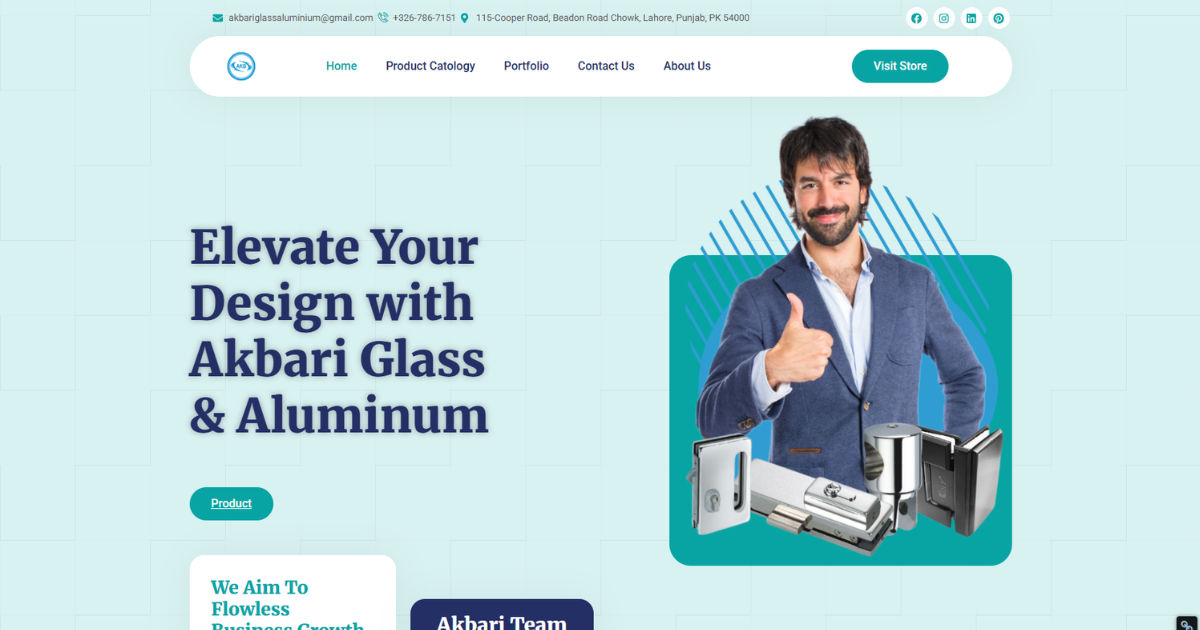
When exploring Glass Hardware Pakistan, it is important to understand that durability depends on several factors, including the quality of the metal, the type of glass being supported, the manufacturing process, installation techniques, and maintenance habits. High-quality hinges, clamps, handles, brackets, and other fittings can last for many years when selected and installed correctly. Poor-quality products, on the other hand, may corrode, loosen, or fail much sooner than expected.
Pakistan's varied climate and building conditions also make product selection important. Humidity in coastal areas, dust in urban environments, temperature changes, and frequent use can affect how glass fittings perform over time. Choosing suitable materials and understanding their limitations can help homeowners, contractors, architects, and business owners make better purchasing decisions.
This comprehensive guide explores what determines glass hardware durability, which materials generally perform best, how environmental conditions affect performance, and what buyers should check before making a purchase. It also explains practical maintenance methods and common mistakes that can shorten the life of glass fittings.
What Is Glass Hardware?
Glass hardware refers to the fittings, fasteners, and accessories used to install, support, open, close, and secure glass panels. These components are found in residential properties, commercial buildings, offices, hotels, shopping centers, and many other environments.
Although individual fittings may look small, they often perform essential structural or functional tasks. A hinge supports the movement of a glass door, a clamp holds a panel in position, and a handle allows users to open and close a door comfortably.
The quality of these components directly affects the reliability of the overall installation.
Common Types of Glass Hardware
Several types of hardware are commonly used in glass installations.
- Glass door hinges: Allow glass doors to open and close smoothly.
- Glass clamps: Secure glass panels to compatible supports or adjoining structures.
- Glass handles: Provide a comfortable grip for opening and closing doors.
- Shower enclosure fittings: Include hinges, brackets, connectors, and other bathroom accessories.
- Sliding door systems: Use tracks, rollers, guides, and related components to move glass panels.
- Balcony and railing fittings: Support suitable glass railing systems when designed and installed for the required loads.
- Glass patch fittings: Connect and support compatible frameless glass door systems.
- Glass brackets and connectors: Join glass panels to walls, frames, or other structural components.
Each fitting has a different job, so its durability requirements vary. A handle mainly needs to withstand repeated contact and use, while a hinge must also carry the door's weight and maintain reliable movement.
Similarly, fittings used in a bathroom need greater resistance to moisture than those installed in a dry indoor display cabinet.
Which Materials Make Glass Hardware More Durable?
The material used to manufacture a fitting is one of the strongest indicators of how well it will perform over time. Different metals offer different levels of strength, corrosion resistance, weight, and affordability.
Stainless Steel
Stainless steel is widely used in glass door hinges, clamps, handles, and railing fittings because it combines strength with resistance to corrosion.
Two commonly discussed grades are 304 and 316 stainless steel. Grade 304 is generally suitable for many indoor applications, while grade 316 offers greater resistance to chloride-related corrosion and is often preferred for coastal or other demanding environments. However, neither grade is completely corrosion-proof
When evaluating Glass Hardware Pakistan, ask whether a product is made from solid stainless steel or merely has a stainless-steel-colored finish. These are not the same thing.
Brass
Brass is another common material for glass fittings, especially decorative handles, hinges, and bathroom accessories.
It can offer good durability and an attractive appearance. Its performance depends on the brass composition, manufacturing quality, and surface finish.
Brass fittings with protective coatings may retain their appearance for longer when cleaned properly. However, unsuitable cleaning chemicals can damage the finish, so always follow the manufacturer's instructions.
Aluminum
Aluminum is lightweight and naturally develops a protective oxide layer that helps resist corrosion.
It is commonly used in sliding door systems, frames, channels, and selected glass support components. Anodizing or other appropriate surface treatments can improve its durability.
However, aluminum components must be designed for their intended loads. A lightweight material is not automatically suitable for every heavy glass door or railing application.
Zinc Alloy
Zinc alloy is often used for affordable decorative handles, knobs, and certain glass fittings.
These products can work well in suitable indoor applications, particularly when manufactured to a good standard. However, their resistance to wear, moisture, and mechanical stress varies considerably.
For frequently used doors or environments exposed to constant moisture, compare the product's specifications with those of suitable stainless steel or brass alternatives before making a decision.
How Long Does Glass Hardware Last?
There is no single lifespan that applies to every glass fitting. A high-quality hinge installed correctly in a dry indoor environment may perform reliably for many years, while an inferior fitting exposed to moisture and heavy use may deteriorate much sooner.
The lifespan depends on several conditions:
- Material quality: The metal and its resistance to corrosion affect long-term performance.
- Manufacturing standards: Accurate machining, secure joints, and consistent finishing can improve reliability.
- Frequency of use: A door opened dozens of times daily experiences more wear than an occasional-use cabinet.
- Installation quality: Incorrect alignment or unsuitable fasteners can place excessive stress on fittings.
- Environmental exposure: Moisture, airborne salt, dust, and cleaning chemicals can accelerate deterioration.
- Maintenance: Regular inspection and appropriate cleaning help identify problems before they become serious.
Manufacturers sometimes publish cycle-test results for hinges and other moving components. These tests can help buyers compare products, but a laboratory result should not be interpreted as a guaranteed number of years in everyday use. Actual service life also depends on installation, loading, maintenance, and environmental conditions
When purchasing Glass Hardware Pakistan, look for clear specifications, product documentation, and a written warranty instead of relying entirely on general claims about long-lasting performance.
How Does Pakistan's Climate Affect Glass Hardware Durability?
Pakistan has a wide range of environmental conditions. A product installed in an air-conditioned office in Islamabad may face very different conditions from one installed in a coastal property in Karachi.
Understanding these differences helps buyers select more appropriate fittings.
Humidity and Moisture
Bathrooms, kitchens, laundry areas, and properties in humid regions expose fittings to moisture.
Over time, unsuitable metals or damaged coatings may develop corrosion, discoloration, or surface deterioration. Hinges and other moving parts may also become harder to operate if dirt and corrosion accumulate.
For these environments, choose materials designed for repeated moisture exposure and clean the fittings regularly.
Coastal Conditions
Properties near the sea may be exposed to airborne salt, which can increase the risk of corrosion.
Grade 316 stainless steel is generally a stronger choice than grade 304 for chloride-rich environments, although proper maintenance remains necessary. Protective coatings and unsuitable material combinations can also affect performance.
If you are installing outdoor glass railings or coastal balcony doors, ask the supplier to confirm that the specific fittings are suitable for the intended exposure.
Dust and Pollution
Dust can accumulate around hinges, sliding tracks, rollers, and connectors. When combined with moisture, it may contribute to surface staining or interfere with smooth movement.
In busy urban environments, regular cleaning can help prevent buildup and reveal early signs of deterioration.
Temperature Changes
Outdoor fittings may experience temperature changes throughout the day and across seasons.
Different materials expand and contract at different rates. Correctly designed systems account for these movements, while poor installation can create unwanted stress.
For this reason, the glass, hardware, and supporting structure should be selected as a compatible system rather than as unrelated components.
What Determines the Strength of Glass Hardware?
Material is important, but it is not the only measure of durability. A strong fitting can still fail if it is unsuitable for the glass panel or installed incorrectly.
Load-Bearing Capacity
Every hinge, clamp, bracket, and support has limits.
A glass door's weight, width, thickness, and movement all affect the loads placed on its fittings. The number of hinges required should be determined according to the manufacturer's specifications and the installation design.
Never assume that a fitting suitable for a small shower door will also support a larger entrance door.
Manufacturing Precision
Well-manufactured hardware should fit the intended glass thickness and align correctly with the supporting structure.
Poorly machined holes, uneven surfaces, weak joints, and inconsistent dimensions can interfere with installation and increase wear.
Ask for technical drawings or product specifications when working on a large or demanding project.
Protective Gaskets
Many glass clamps and hinges use rubber or polymer gaskets between the fitting and the glass.
These components help provide grip, distribute pressure, and reduce direct metal-to-glass contact. Incorrect, damaged, or missing gaskets can increase the risk of glass damage or movement.
Replacement gaskets should be compatible with the original hardware and intended application.
Installation Quality
Even premium hardware can perform poorly if it is fitted incorrectly.
Installers must follow the manufacturer's instructions, use appropriate fasteners, check alignment, and ensure that the supporting wall or frame can carry the required loads.
For structural glass railings and heavy doors, use a qualified installer who understands the relevant safety requirements.
How to Maintain Glass Hardware for Longer Life
Regular maintenance is one of the simplest ways to protect your investment. It also helps identify loose fittings, corrosion, and movement problems before they become serious.
Clean the Fittings Regularly
Use a soft cloth and a suitable mild cleaning solution. Remove dust, water deposits, and visible dirt before they build up.
After cleaning, rinse if required by the manufacturer's instructions and dry the fittings thoroughly, especially in bathrooms and coastal environments.
Avoid steel wool, abrasive pads, and harsh chemicals unless the manufacturer specifically approves them. These products can damage finishes or interfere with corrosion protection. cgsi.co
Inspect Hinges and Screws
Periodically check whether hinges, handles, and clamps remain secure.
Look for loose fasteners, unusual movement, corrosion, and changes in the door's alignment. Do not continue using a heavy glass door if its fittings appear unstable.
Any adjustment should follow the product instructions. For critical or load-bearing components, arrange professional inspection when necessary.
Keep Sliding Tracks Clear
Sliding glass doors rely on rollers, tracks, and guides that must move freely.
Remove accumulated dust and debris using an appropriate cleaning method. If a door becomes difficult to slide, investigate the cause rather than forcing it.
Damaged rollers or misaligned tracks should be repaired or replaced with compatible components.
Check Gaskets and Seals
Inspect rubber gaskets and seals for cracking, displacement, hardening, or other visible deterioration.
Replace damaged components promptly. Do not compensate for a poor fit by overtightening clamps, because excessive pressure may damage the glass.
Arrange Professional Inspections
Large glass doors, overhead glazing, balconies, and railing systems deserve particular attention because a fitting failure can create serious safety risks.
A qualified professional can assess movement, fasteners, support structures, and other components that may not be easy to inspect yourself.
How to Choose Durable Glass Hardware in Pakistan
Selecting suitable hardware requires more than comparing appearance and price. Buyers should evaluate the product's specifications, intended application, and available after-sales support.
1. Confirm the Material Grade
Ask whether the product is made from stainless steel grade 304, grade 316, brass, aluminum, or another material.
For stainless steel, request reliable documentation when the grade is important to the application. A shiny finish alone does not prove the composition of the underlying metal.
2. Match the Hardware to the Application
Consider where the fittings will be installed.
Indoor cabinet hardware has different demands from a frequently used shower door or outdoor railing. Select products designed for the actual environment and load requirements.
3. Check the Finish
Polished steel, brushed finishes, chrome plating, and colored coatings can create different appearances.
However, a decorative finish should not be confused with the quality of the base material. Ask how the finish should be maintained and whether it is suitable for moisture or outdoor exposure.
4. Review the Warranty
A written warranty provides useful information about the seller's confidence in the product and the support available if a defect occurs.
Read the coverage conditions carefully. A warranty may exclude incorrect installation, unsuitable environments, accidental damage, or failure to maintain the product.
5. Ask for Technical Specifications
For important installations, request details such as:
- Compatible glass thickness.
- Maximum door dimensions and weight.
- Recommended number of hinges.
- Suitable mounting surfaces.
- Material grade and finish.
- Installation instructions.
- Maintenance requirements.
These details make it easier to compare products based on practical performance instead of appearance alone.
6. Compare Overall Value
A low purchase price may be attractive, but replacement and repair costs can make an inferior product more expensive over time.
Consider the initial cost, installation requirements, maintenance, warranty, and expected service conditions together.
A moderately priced fitting with reliable specifications may offer better value than a cheaper product with unclear material quality.
Common Signs That Glass Hardware Needs Replacement
Recognizing early warning signs can help prevent further damage.
Watch for the following problems:
- Rust, pitting, or persistent discoloration.
- Hinges that squeak, bind, or move unevenly.
- Handles that become loose despite appropriate tightening.
- Sliding doors that repeatedly stick or jump off their tracks.
- Clamps that allow the glass to shift.
- Cracked, hardened, or displaced gaskets.
- Visible damage around glass cut-outs or mounting points.
- Doors that sag, scrape, or no longer close correctly.
Do not ignore movement in a heavy glass door or railing. Stop using the affected installation if it appears unsafe and arrange an inspection by a qualified professional.
Never attempt to repair a damaged glass panel by simply tightening its fittings. Glass can be vulnerable to concentrated pressure, particularly around holes, edges, and cut-outs.
Conclusion
The durability of glass hardware depends on the quality of its materials, the accuracy of its manufacturing, the conditions in which it is used, and the quality of its installation and maintenance.
Stainless steel, brass, and aluminum can all be suitable choices when selected for the correct application. Grade 304 stainless steel is commonly used in many indoor environments, while grade 316 generally offers better resistance to chloride-related corrosion in coastal and other demanding conditions.
For buyers researching Glass Hardware Pakistan, the most important step is to match each fitting to its intended purpose. Bathroom hinges, sliding door rollers, balcony railing connectors, and cabinet handles have different performance requirements. Checking material specifications, load limits, installation instructions, and warranty terms helps you make a more informed decision.
Pakistan's varied climate makes this selection especially important. Humidity, dust, pollution, and airborne salt can affect fittings differently depending on their location. Regular cleaning, suitable material choices, and periodic inspections can help maintain their appearance and performance.
Remember that durability is not simply about choosing the strongest-looking metal. A well-designed fitting must also be compatible with the glass, correctly installed, and maintained according to the manufacturer's recommendations.
By evaluating these factors before purchasing, homeowners, contractors, and business owners can reduce avoidable repairs, improve safety, and achieve better long-term value from their glass installations.