

Skin gradually changes with age, sun exposure, stress, and everyday environmental factors. Fine lines, wrinkles, reduced firmness, and uneven texture are common concerns for people who want healthier-looking skin. Modern aesthetic treatments offer different ways to improve these signs of aging, including procedures designed to support the skin's natural collagen production. 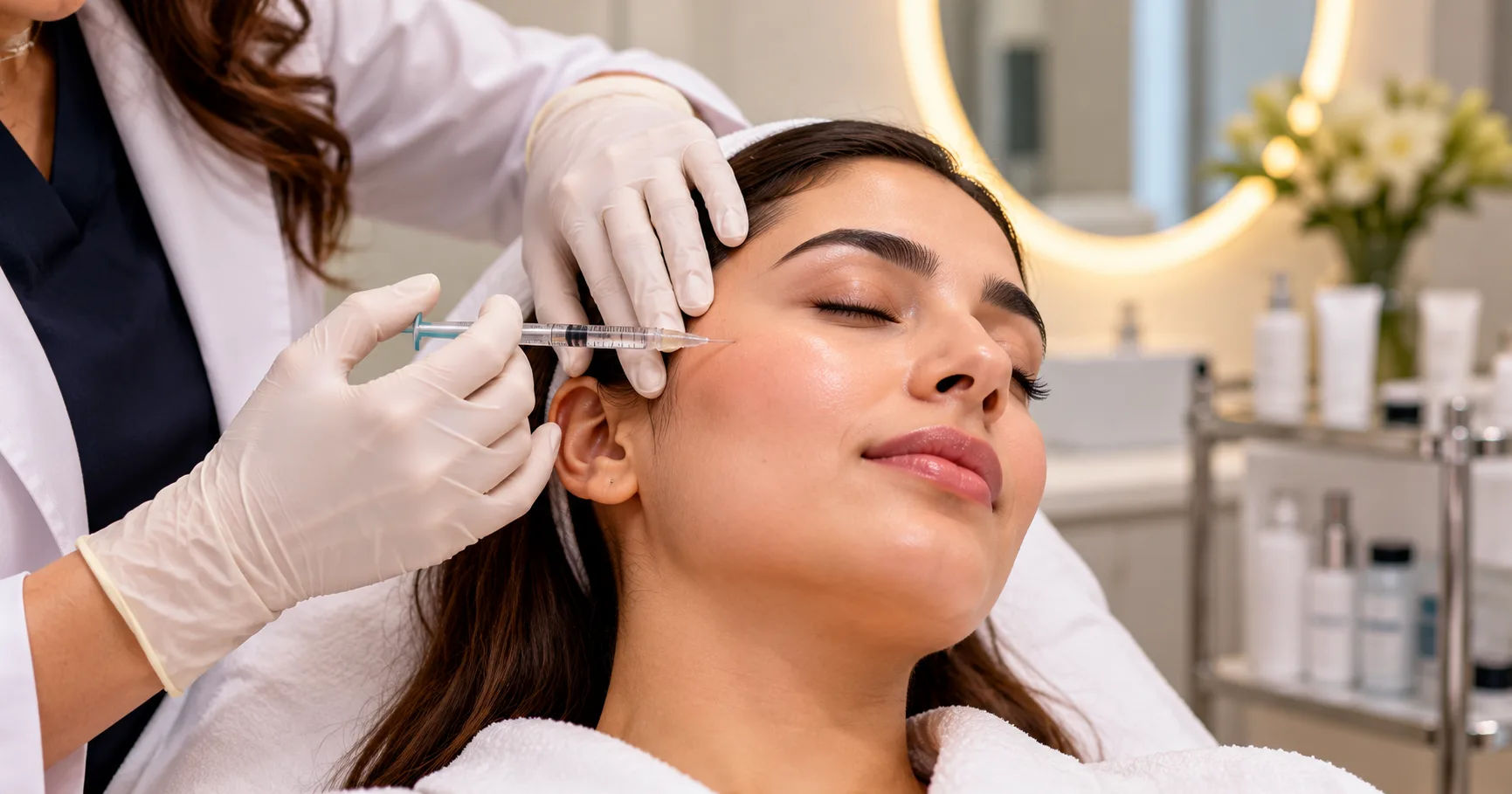 Nithya collagen treatment in Karachi is an option for people interested in improving skin quality and supporting a firmer, smoother appearance. The treatment is associated with collagen biostimulation, which aims to encourage the body's natural processes rather than simply covering up visible signs of aging. However, the exact procedure, expected results, and suitability depend on the specific Nithya product used and the individual's skin condition.
Before choosing any aesthetic procedure, it is important to understand how collagen works, what happens during treatment, how long results may take to appear, and what safety precautions are necessary. Knowing these details can help you make an informed decision and discuss realistic expectations with a qualified medical professional.
What Is Nithya Collagen Treatment?
Nithya is a name associated with collagen-based aesthetic products, including formulations used in regenerative skin treatments. Depending on the particular product, treatment may be intended to improve skin quality, firmness, texture, or the appearance of aging.
Collagen is a structural protein found naturally throughout the body. It helps give the skin strength, support, and elasticity. As people grow older, collagen production and the organization of collagen fibers change. These changes can contribute to wrinkles, sagging, and thinner-looking skin.
Collagen-focused aesthetic treatments aim to address some of these changes by supporting the skin's structure. However, not all collagen products work in the same way. Some provide collagen components directly, while others stimulate the body's own collagen-forming cells.
When considering Nithya collagen treatment in Karachi, ask the provider to identify the exact product, explain its intended mechanism, and clarify whether it is approved for the proposed use in Pakistan.
Why Is Collagen Important for Skin?
Collagen provides a framework that helps the skin maintain its structure. It works alongside elastin, which contributes to flexibility, and other substances that help the skin retain moisture.
Healthy collagen levels support a smoother, firmer appearance. When collagen breaks down faster than the body replaces it, the skin may become less resilient.
Several factors influence this process:
-
Age: Natural collagen production generally declines over time.
-
Sun exposure: Ultraviolet radiation can damage collagen fibers.
-
Smoking: Smoking contributes to skin damage and premature aging.
-
Environmental pollution: Exposure to certain pollutants may contribute to oxidative stress.
-
Lifestyle: Sleep, nutrition, and general health can influence skin condition.
Collagen treatments may help address selected cosmetic concerns, but they cannot stop aging completely or reverse every type of skin damage.
How Does the Treatment Work?
The treatment involves introducing a specially prepared collagen product into selected layers of the skin. According to the manufacturer's information, injectable Nithya Face contains sterile, micronized Type I collagen of equine origin, meaning the collagen is derived from horses. It is designed to support the regeneration of dermal connective tissue and stimulate the activity of fibroblasts, the cells responsible for producing collagen and other structural components of the skin.
Step 1: The Skin Is Examined
The process begins with a consultation. The practitioner examines your skin, discusses your concerns, and reviews your medical history.
They may assess fine lines, skin laxity, uneven texture, scars, and areas where the skin appears thin. Your treatment goals help determine whether a collagen-based procedure is appropriate.
The practitioner should also ask about allergies, previous cosmetic treatments, medications, pregnancy or breastfeeding, and any existing skin infections.
This assessment matters because collagen injections are not suitable for everyone. A professional should explain the benefits, limitations, risks, and alternatives before proceeding.
Step 2: The Collagen Product Is Prepared
Nithya Face is supplied as a sterile collagen powder that must be prepared immediately before use according to its official instructions.
The manufacturer's standard instructions describe suspending the contents of a 70 mg vial in an appropriate sterile liquid. The prepared product is intended for single use, and any remainder must be discarded.
Preparation must take place under appropriate clinical conditions. Patients should not purchase injectable collagen for self-treatment or attempt to prepare or inject it at home.
The practitioner should check the packaging, expiry date, product integrity, and suitability for the intended treatment area.
Step 3: The Skin Is Cleaned
Before the injections, the treatment area is carefully cleansed and disinfected. This helps reduce the risk of infection.
Depending on the treatment area and your comfort level, the practitioner may discuss ways to manage discomfort. Any additional product used must be compatible with the planned procedure.
The skin may be marked to guide the practitioner and ensure that the treatment is distributed appropriately.
Step 4: The Collagen Is Injected
The prepared suspension is introduced into selected skin layers using fine needles and a technique chosen by the practitioner.
The manufacturer's instructions describe injection into the deep dermis or the junction between the dermis and epidermis, depending on the specific application. The depth, injection pattern, and amount used depend on the product instructions and clinical assessment.
This is a medical procedure, not a routine facial. It should be performed only by an appropriately trained healthcare professional who understands facial anatomy and injection safety.
After administration, the practitioner may gently distribute the product as directed by the manufacturer's instructions.
Step 5: The Skin Begins Its Recovery Process
Once the procedure is complete, the skin begins responding to the treatment. The collagen formulation is intended to support the activity of fibroblasts and the formation of new collagen within the skin's connective tissue.
This process is often described as collagen biostimulation. However, individual responses vary, and improvements cannot be guaranteed.
The skin does not become permanently younger after one session. Any improvement in firmness, texture, or fine lines develops according to the individual's response, the treatment area, and other factors affecting skin health.
What Skin Concerns Can It Address?
The suitability of Nithya depends on the product formulation, the area being treated, and the practitioner's assessment. The manufacturer's information identifies facial, neck, and hand aging concerns among the intended applications of its injectable face product.
Fine Lines and Early Signs of Aging
Fine lines can become more noticeable as collagen declines and the skin loses some of its natural support.
A collagen-focused procedure may help improve the appearance of selected lines by supporting the skin's structure. However, it is not guaranteed to eliminate wrinkles, especially deep lines caused by repeated muscle movement.
A practitioner should explain whether collagen injections are appropriate or whether another treatment would better match your concerns.
Loose or Thin-Looking Skin
Some people notice that their skin appears less firm with age. Sun exposure and natural changes in connective tissue can contribute to this effect.
Collagen-based treatments may be considered for selected cases of reduced skin elasticity. Nevertheless, they are not equivalent to surgical lifting, and significant sagging may require a different approach.
Uneven Skin Texture and Selected Scars
Some collagen products are used in treatments intended to improve the appearance of certain scars and skin irregularities. The results depend on the scar's type, depth, age, and location.
Deep acne scars, raised scars, and scars associated with abnormal healing may require different treatments. A dermatologist should assess the skin before recommending injections.
Neck and Hand Rejuvenation
The neck and hands can show signs of aging because their skin is exposed to sunlight and undergoes natural structural changes.
Depending on the formulation and professional assessment, collagen treatment may be considered for these areas. The technique must be adapted to the anatomy and condition of each area rather than copied directly from a facial protocol.
What Happens During a Typical Appointment?
A treatment appointment generally includes a consultation or review, skin preparation, the injection procedure, and aftercare instructions.
The actual duration depends on the area being treated, the number of injection points, and the clinic's protocol. A Karachi clinic offering Nithya collagen describes sessions of approximately 20 to 30 minutes, but this is a clinic-specific estimate rather than a guaranteed duration.
For facial treatment, the practitioner may focus on areas such as the cheeks, lower face, or other selected regions. Neck and hand treatments require their own assessment.
Before leaving, patients should receive clear guidance about expected reactions, cleaning the treated area, activities to avoid, and when to seek medical advice.
How Many Sessions Are Usually Needed?
One session may not be enough to achieve the intended outcome. The manufacturer's instructions for Nithya Face describe a course of three applications at approximately 15-day intervals, with the possibility of repeating a course after at least three months, depending on clinical judgment.
euroresearch.it
This is a product-specific protocol, not a recommendation that every patient must follow. The appropriate plan should be determined by the treating professional.
|
Treatment stage |
What it involves |
|---|---|
|
Initial consultation |
Assessment of skin concerns, medical history, and suitability |
|
First session |
Treatment of selected areas |
|
Follow-up sessions |
Additional applications if clinically appropriate |
|
Review appointment |
Assessment of response and discussion of next steps |
Do not assume that more injections will produce better results. Excessive treatment may increase the risk of complications without providing additional benefit.
When Will You See Results?
Results develop differently from person to person. Some people may notice temporary changes in the appearance or feel of their skin shortly after treatment, but these should not be confused with lasting collagen-related improvements.
The biological processes involved in collagen formation take time. Changes in firmness, texture, and skin quality may become more apparent over the following weeks or months.
Your results can depend on several factors:
-
Age and skin condition: Skin with different levels of collagen loss may respond differently.
-
Treatment area: The face, neck, and hands have different structural characteristics.
-
Lifestyle habits: Sun exposure, smoking, and skincare routines can influence the skin's condition.
-
Treatment plan: The number and timing of sessions may affect the overall outcome.
-
Individual response: Not everyone produces the same degree of improvement.
When considering Nithya collagen treatment in Karachi, ask the practitioner to explain how progress will be assessed. Standardized photographs taken under similar lighting conditions can help compare changes more objectively.
Be cautious of promises of immediate, dramatic, or permanent results. A responsible provider should explain what the treatment can realistically achieve and what it cannot.
Is the Treatment Safe?
No injectable aesthetic procedure is entirely risk-free. Although the manufacturer describes Nithya collagen as hypoallergenic, its official instructions identify potential injection-related adverse effects and contraindications.
Common Side Effects
Possible short-term reactions include:
-
Redness around the injection points
-
Mild swelling
-
Tenderness or discomfort
-
Bruising
-
Temporary itching or irritation
These reactions may settle over a short period, but the duration varies. Patients should follow their practitioner's aftercare instructions and report symptoms that worsen or persist.
Less Common but Serious Complications
More serious complications can occur with injectable procedures. The manufacturer's instructions mention inflammatory reactions, hardening or nodules, discoloration, infection-related complications, granulomas, and hypersensitivity reactions. Tissue damage has also been reported in the medical literature associated with collagen injections.
Seek urgent medical attention if you develop severe or increasing pain, unusual skin discoloration, rapidly worsening swelling, spreading redness, fever, or changes in vision after facial injections.
A qualified practitioner should explain how complications are recognized and managed before treatment begins.
Who Should Avoid or Postpone Treatment?
The manufacturer's instructions identify several situations requiring avoidance or particular caution, including known hypersensitivity to the product, pregnancy or breastfeeding, active skin infection or inflammation, and a tendency to develop hypertrophic scars.
Recent intensive skin procedures may also affect treatment timing.
Disclose your complete medical history and ask the practitioner to check the current product instructions. If you have an allergy to horse-derived products or a history of unusual reactions to injections, discuss this specifically before proceeding.
How to Choose a Clinic in Karachi
Choosing the right practitioner is an important part of obtaining safe, appropriate care. A clinic's marketing claims should never replace professional qualifications, transparent communication, and sound medical practice.
Check the Practitioner's Qualifications
Choose a licensed medical professional with appropriate training in injectable aesthetic procedures. Ask about their experience with collagen-based products and whether they understand the anatomy of the area you want treated.
Do not choose a provider solely because they offer a low price or advertise impressive before-and-after photographs.
Verify the Product
Ask to see the product packaging and confirm the manufacturer's name, expiry date, packaging integrity, and authenticity.
You can consult the manufacturer's official Nithya website for information about the face formulation and its intended use.
Also ask the clinic to explain the product's regulatory status and lawful availability in Pakistan. Do not assume that approval or certification in another country automatically establishes local authorization for every use.
Ask About Hygiene and Follow-Up
The clinic should use appropriate infection-control procedures and sterile, single-use supplies where indicated.
You should also know whom to contact if an unexpected reaction occurs after your appointment. Reliable aftercare is particularly important for injectable treatments because some complications may appear after you have left the clinic.
What Is the Cost of Treatment in Karachi?
The cost of treatment varies between clinics and depends on the amount of product required, the area being treated, the practitioner's experience, and the number of sessions recommended.
A treatment plan for the face may differ in cost from one involving the neck, hands, or larger body areas. Consultation fees and follow-up visits may also affect the total.
Rather than relying on an advertised starting price, ask for a written estimate covering the full proposed course.
Before paying, clarify:
-
How many sessions are included?
-
Is the product genuine and appropriately sourced?
-
Does the fee include consultation and follow-up?
-
Are additional treatments likely to be recommended?
-
What happens if you experience a complication?
The cheapest option is not necessarily the safest or most suitable. Prioritize professional qualifications, product verification, hygiene, and honest communication.
How Can You Prepare for the Procedure?
Preparing properly can make your appointment easier and help reduce avoidable risks. Your practitioner should provide instructions suited to your health, the treatment area, and any other procedures you may have scheduled.
Before Your Appointment
-
Arrive with clean skin and follow the clinic's instructions about skincare products.
-
Tell the practitioner about prescription medicines, supplements, allergies, and previous cosmetic procedures.
-
Discuss any history of abnormal scarring, skin infections, or reactions to injectable products.
-
Avoid scheduling treatment over irritated, inflamed, or infected skin.
-
Ask whether any recent laser treatment, chemical peel, or other aesthetic procedure affects your eligibility.
Do not stop prescribed medication without advice from the healthcare professional responsible for your care.
After Your Appointment
Follow the clinic's instructions about cleansing, makeup, exercise, and exposure to heat or sunlight. Avoid rubbing or manipulating the treated area unless your practitioner specifically advises otherwise.
Use gentle skincare and protect your skin from excessive sun exposure. If you experience symptoms that concern you, contact your provider rather than trying unverified home remedies.
These precautions are important because healthy skin maintenance supports overall skin quality, even though it cannot guarantee a particular treatment result.
Are There Alternatives to Nithya Collagen Treatment?
Nithya is not the only option for improving the appearance of aging skin. The best alternative depends on whether your main concern is dryness, fine lines, pigmentation, scars, or significant skin laxity.
Medical-grade skincare: Moisturizers, sunscreen, and appropriately selected retinoids may help improve skin texture and address certain signs of aging. Retinoids are not suitable for everyone, particularly during pregnancy.
Microneedling: This procedure creates controlled micro-injuries intended to stimulate the skin's repair response. It may be considered for selected texture concerns and certain scars.
Laser treatments: Different lasers target pigmentation, redness, or skin texture. Their suitability depends on skin type, the device used, and the practitioner's experience.
Hyaluronic acid treatments: These are used for hydration or volume-related concerns, depending on the formulation and technique. They work differently from collagen-based products.
Surgical procedures: For substantial skin laxity, a surgical consultation may be more appropriate than an injectable treatment.
A qualified dermatologist can help compare the expected benefits, downtime, costs, and risks of these options.
Conclusion
Nithya collagen treatment in Karachi is an injectable aesthetic option designed to support the skin's connective tissue and stimulate processes associated with collagen formation. It may be considered for selected concerns involving fine lines, reduced firmness, and aging-related changes in skin quality.
The process generally involves an initial assessment, preparation of the collagen product, careful injection into appropriate skin layers, and follow-up appointments when necessary. Improvements develop over time, and the results vary according to the individual, the treatment area, and the clinical plan.
Safety should remain a priority throughout the process. Patients should understand that the injectable Nithya Face formulation contains Type I collagen derived from horses and that potential adverse effects can occur despite its hypoallergenic designation. Checking allergies, reviewing medical history, verifying the product, and choosing a properly trained healthcare professional are essential steps.
Before booking, ask for a detailed consultation, a realistic treatment plan, a transparent cost estimate, and clear aftercare instructions. Compare alternatives if your main concern is deep wrinkles, pronounced sagging, pigmentation, or scarring.
Ultimately, the best approach is one that matches your skin's needs, respects your medical history, and sets realistic expectations. With informed decision-making and appropriate professional care, you can better determine whether this collagen-based procedure is a suitable part of your skincare goals.