

The connection between boredom and risky decision-making is stronger than many people realize. In the modern digital world, where entertainment is always available, moments of boredom often lead people to seek quick stimulation. One increasingly common response is sports betting.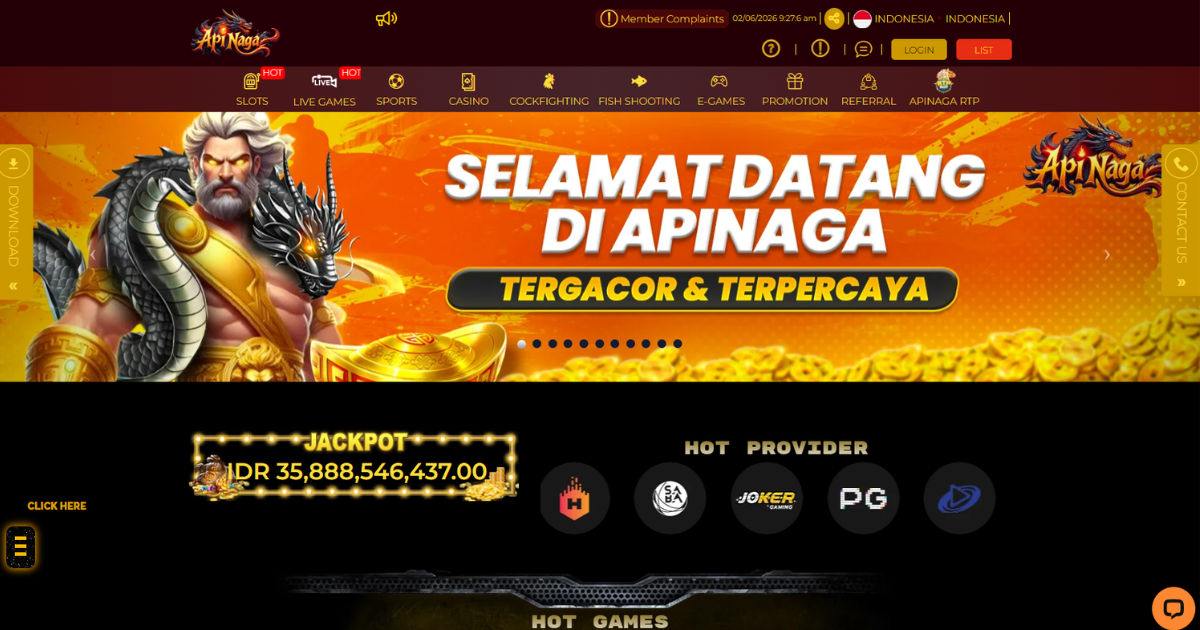
This behavior becomes even more noticeable when platforms and apps are designed for instant access and rapid engagement. The keyword api naga is used throughout this discussion to highlight how digital systems and user habits can interact in unexpected ways, especially when boredom becomes the main trigger for betting behavior.
In fact, api naga often appears in conversations about how technology interfaces can unintentionally encourage impulsive actions. At its core, api naga represents the broader idea of automated systems that make betting easier, faster, and more accessible during idle moments.
When people feel bored, their brains naturally search for stimulation. If a sports betting app is just one click away, the temptation increases significantly. This is where api naga becomes relevant again, because systems built around instant engagement reduce the delay between impulse and action.
As boredom rises, the chance of impulsive betting also increases, especially when platforms are designed for frictionless interaction. The role of api naga in this process is not about causing behavior directly, but about enabling rapid access that fits perfectly into bored moments.
This blog explores how boredom triggers sports betting behavior, the psychological mechanisms behind it, and how digital environments intensify the effect. We will also discuss prevention strategies and healthier alternatives.
Understanding Boredom and Sports Betting Behavior
Boredom is not just “having nothing to do.” It is a mental state where the brain craves stimulation but cannot find meaningful engagement. In this state, people become more sensitive to reward-based activities, including gambling.
Sports betting becomes appealing because it offers:
- Instant excitement
- Quick decision-making
- The possibility of reward
- Emotional stimulation
In systems influenced by api naga, this process becomes even more immediate. Users do not need to wait or plan extensively; they can engage instantly. This immediacy is critical when boredom strikes.
When boredom lasts for even a short time, people often seek novelty. Betting platforms provide that novelty through changing odds, live matches, and unpredictable outcomes. The presence of api naga-like systems ensures that these updates are always available in real time, increasing engagement during idle moments.
Why Boredom Triggers Risky Decision-Making
The Brain’s Need for Stimulation
The human brain is wired to avoid boredom. When stimulation drops, dopamine levels decrease, creating discomfort. People naturally seek activities that restore stimulation quickly.
Sports betting provides:
- Fast feedback loops
- Emotional highs and lows
- Constant updates
In environments supported by api naga, these feedback loops become even faster. The system continuously updates odds, scores, and opportunities, giving users little time to pause and reflect.
Impulse Over Reasoning
Boredom reduces patience and increases impulsivity. Instead of thinking long-term, individuals focus on immediate relief. Betting becomes a quick solution.
The presence of api naga tools or systems intensifies this because:
- Decisions can be made in seconds
- Betting options are always visible
- Notifications encourage instant action
This combination creates a strong link between boredom and impulsive betting.
Psychological Mechanisms Behind Betting During Boredom
Dopamine Reward System
Dopamine is the brain chemical responsible for pleasure and motivation. Sports betting triggers dopamine release due to anticipation and uncertainty.
When boredom occurs:
- Dopamine levels drop
- The brain seeks stimulation
- Betting becomes attractive
With api naga, the speed of betting increases dopamine cycles, making the experience more addictive for some users.
Variable Reward Structure
Sports betting operates on a “variable reward” system, meaning outcomes are unpredictable. This unpredictability is highly stimulating.
Even when losing, the brain stays engaged because:
- The next outcome could be different
- A win feels “just around the corner”
Systems like api naga enhance this by providing continuous updates and opportunities, reinforcing engagement.
Cognitive Biases
Several biases influence betting behavior:
- Illusion of control
- Gambler’s fallacy
- Availability bias
During boredom, these biases become stronger because the brain is not fully focused. With api naga, easy access to betting increases exposure to these biases.
How Digital Platforms Amplify Boredom Betting
Instant Access and Convenience
Modern betting apps remove almost all barriers. A user can:
- Open an app
- Select a match
- Place a bet in seconds
This frictionless design, often associated with api naga, makes it difficult for users to pause and reconsider.
Notifications and Alerts
Push notifications are powerful triggers. They remind users of:
- Live matches
- Odds changes
- Special promotions
During boredom, these alerts feel even more appealing. api naga systems often rely on real-time data delivery, increasing engagement frequency.
24/7 Availability
Unlike traditional gambling environments, online betting is always available. This means boredom at any time of day can lead to betting behavior.
The presence of api naga ensures continuous updates and accessibility, making it harder for users to disconnect.
Social and Environmental Factors
Peer Influence
Friends and social groups can normalize sports betting. When people see others betting during downtime, boredom-driven betting becomes more acceptable.
In some digital ecosystems powered by api naga, social features like leaderboards or shared bets increase peer pressure.
Media and Sports Culture
Sports media constantly promotes odds, predictions, and betting discussions. This creates a culture where betting feels like part of watching sports.
Economic Environment
For some individuals, boredom combined with financial stress increases the appeal of betting as a “quick solution.” Systems like api naga make access easier, which can intensify this behavior pattern.
Real-Life Scenarios of Boredom-Driven Betting
Scenario 1: Idle Evening Scrolling
A student finishes homework and feels bored. While scrolling through their phone, they see a sports betting app notification powered by api naga systems. Within minutes, they place a small bet “just for fun.”
Scenario 2: Waiting Time at Work
An office worker has nothing to do during a break. Instead of resting, they open a betting platform. The quick access provided by api naga encourages them to explore live matches.
Scenario 3: Late-Night Restlessness
Someone unable to sleep starts browsing sports updates. Boredom leads to curiosity, and curiosity leads to betting activity. The constant updates from api naga systems keep them engaged longer than intended.
Risks of Boredom-Based Betting
Financial Risks
Repeated impulsive betting can lead to:
- Loss of savings
- Unplanned expenses
- Debt accumulation
Emotional Risks
Boredom-driven betting often leads to:
- Guilt after losses
- Anxiety and stress
- Emotional dependency on betting outcomes
Behavioral Risks
Over time, users may:
- Bet more frequently
- Increase stakes
- Develop habitual patterns
Systems like api naga can unintentionally support this cycle by making betting continuous and effortless.
Breaking the Cycle of Boredom Betting
Recognizing Triggers
The first step is awareness. Identify when boredom leads to betting urges. Ask:
- Am I bored or actually interested?
- Is this a habit or a decision?
Creating Delays
Introducing a delay between impulse and action reduces risky behavior. Even a 10-minute pause can help reduce impulsive betting.
Reducing Accessibility
Limiting exposure to betting apps reduces temptation. Since api naga systems make access easy, consciously restricting usage can help break the cycle.
Building Alternative Habits
Replace betting with:
- Exercise
- Reading
- Gaming without money
- Social interaction
These activities provide stimulation without financial risk.
Healthier Ways to Manage Boredom
Physical Activity
Exercise increases dopamine naturally and reduces boredom effectively.
Creative Activities
Drawing, writing, or music can engage the brain in meaningful ways.
Social Engagement
Talking to friends or family helps reduce isolation-driven boredom.
Skill-Based Hobbies
Learning skills like coding or cooking provides long-term satisfaction.
Even when digital systems like api naga make betting easy, these alternatives provide stronger emotional and mental benefits.
The Role of Awareness in Prevention
Education plays a key role in reducing boredom-driven betting. Understanding how boredom affects decision-making helps individuals make better choices.
Key awareness points include:
- Betting is not a solution to boredom
- Impulsivity increases during low stimulation
- Digital systems like api naga increase accessibility, not necessity
When people understand these patterns, they are less likely to fall into automatic behavior loops.
Conclusion
Boredom may seem harmless, but it can strongly influence decision-making, especially in environments where sports betting is easily accessible. The combination of psychological triggers, instant digital access, and reward-based systems creates a powerful cycle that can lead individuals to bet without planning or intention.
Throughout this discussion, the concept of api naga has been used to represent the role of fast, automated, and always-available systems that make betting easier during idle moments. While api naga does not directly cause behavior, it reflects how technology can reduce friction and increase impulsive engagement. When boredom meets convenience, the risk of sports betting increases significantly.
Understanding these patterns is essential for developing healthier habits. By recognizing boredom triggers, limiting exposure, and adopting alternative activities, individuals can reduce the likelihood of impulsive betting. Ultimately, awareness and self-control are the strongest tools in breaking the cycle of boredom-driven gambling behavior.