

A Shop-Floor Moment: Why Testing Now Rules the Road
I remember a sticky morning on the line when a pack sailed through checks, then sagged under a real load two bays later. In ev testing, that kind of miss isn’t rare; it’s a warning flare. Across recent audits, over one-third of delays tied back to batteries that “passed” but weren’t production-ready, and scrap rates jumped whenever ambient heat spiked. So ask yourself: if the cars are smarter, why is the test bench still guessing? We’re putting high-voltage packs under low-fidelity tests, and it shows. The gap shows up in thermal drift, in noisy CAN bus traces, and in the way power converters ripple under sudden demand. That’s real money and trust on the line (and y’all know customers have long memories).
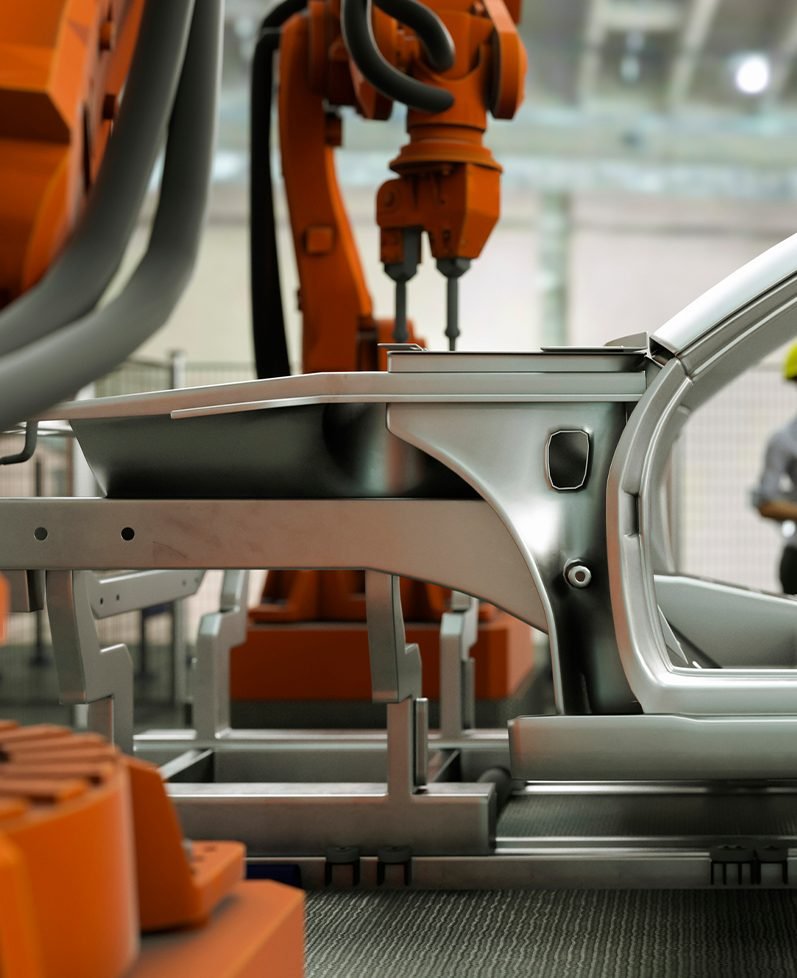
Here’s the kicker—every small flaw scales with volume. A slow fixture here, a missed fault there, and the whole shift feels it. Data without speed can be as bad as no data at all. Which leads us to the heart of it: what’s broken with the old way, and what fixes actually stick? Let’s roll into that.
Legacy vs. Live Data: Where Old Battery Checks Fall Short
Why do legacy rigs miss the mark?
Most stations rely on static steps, handoffs, and a patchwork of logs. Modern battery testing equipment flips that script by pairing real-time sensing with tight control loops, but plenty of floors still use sample-based audits and off-bench analysis. Look, it’s simpler than you think: when load profiles are canned, you never hit the edge cases that spark thermal runaway. When the rig averages signals, you smear the exact noise the CAN bus is trying to tell you about. And when the power converters in the station don’t mirror the vehicle’s true dynamics, you rubber-stamp a pass that won’t hold up on the road. That morning I mentioned? The “pass” came from a profile that ignored a 200 ms surge.
Hidden pain points pile up. Changeovers stretch because fixtures fight swollen pack tolerances; calibration drifts and nobody notices until yield drops. Traceability stops at the module, so you can’t pin a cell-level anomaly without tearing things open. State-of-health calls come late because SoH estimation runs offline, hours after the pack has moved. Worst of all, false passes burn crews. The bench says “good,” the end-of-line says “bad,” and confidence tanks—funny how that works, right? The old model measures plenty but understands little, and operators feel that gap every time a pack loops back.
New Playbook: Principles That Push EV Yields Forward
What’s Next
The next wave isn’t about more steps; it’s about smarter signals. Advanced battery testing equipment brings synchronized, high-rate sampling and closes the loop right on the station. Edge computing nodes sit beside the fixture, fusing voltage, current, and temperature with microsecond timestamps. Hardware-in-the-loop emulates the inverter and DC bus so transient stress is real, not theoretical. Add fiber-isolated measurement chains and you cut ground noise. Then let a lightweight model track SoH in-line, not overnight. Short runs. Clean decisions. And when a spike hits, the system adjusts load profiles on the fly—no engineer sprinting over with a laptop.

Forward-looking lines bake in traceability by default. Every cell group gets a signature, tied to its exact thermal map and BMS diagnostics. That means faster root cause, fewer blind scrambles, and calmer shifts. The result is simple to explain and hard to fake: higher first-pass yield, tighter Cp/Cpk, and fewer end-of-line surprises. We learned the risks—static tests, fuzzy signals, slow feedback—and turned them into design rules for stations that listen and react. Now, if you’re choosing a path, use three quick checks. Metric 1: measurement fidelity and latency together; sub-millisecond timing beats pretty dashboards. Metric 2: coverage versus cycle time; does it hit transients without killing takt. Metric 3: traceability depth; cell-to-pack lineage with analytics you can search fast—funny how speed makes quality feel inevitable, right? If those hold, the rest falls in place. And if you’re mapping options across your plant, keep an eye on partners who turn those principles into working stations, like LEAD.